
Facial radiofrequency is one of the most popular non-surgical facial rejuvenation treatments. But what exactly is it, how does it act on the skin, and when is it the right treatment?
What is facial radiofrequency?
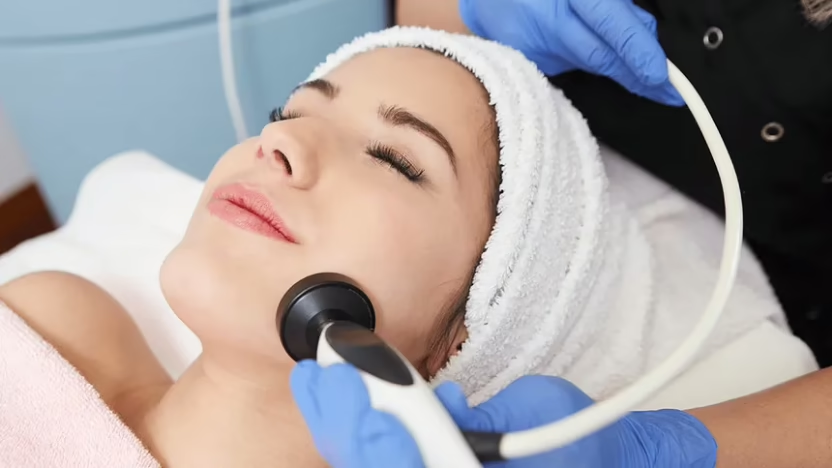
Facial radiofrequency is an aesthetic medicine technology that uses high-frequency electromagnetic waves to generate controlled heat in the deep layers of facial skin. Unlike HIFU, which uses ultrasound, radiofrequency uses electromagnetic energy.
How does facial radiofrequency work?
When radiofrequency waves penetrate the facial skin, they generate controlled heat in the dermis (between 40-45°C). This heat triggers two simultaneous mechanisms:
Immediate collagen fiber contraction: existing collagen fibers contract from the heat, producing a visible tightening effect from the very first session.
Neocollagenesis: the heat activates dermal fibroblasts to produce new collagen and elastin, generating progressive improvement that continues for weeks after each session.
Depth of action
Facial radiofrequency acts mainly on the superficial and mid dermis (approximately up to 2-3mm deep). This depth makes it especially effective for improving skin quality and texture, but it doesn’t reach the SMAS layer the way HIFU facial does.

Facial radiofrequency results: the real week-by-week timeline
Facial radiofrequency results are gradual by design — and that is exactly what makes them look natural. Here is what happens session by session, when visible change appears, and what factors accelerate or limit it.
Read moreWhat does facial radiofrequency treat?
Facial radiofrequency treats:
- Facial skin firming: visible tightening effect on cheeks, jawline, and neck
- Mild to moderate facial laxity: before it requires HIFU or surgery
- Expression lines: forehead, eye contour, nasolabial folds
- Texture and tone improvement: radiance, pores, and tone uniformity
- Mild double chin: tightening of the submandibular area
- Preventive treatment: maintaining facial firmness and slowing down aging
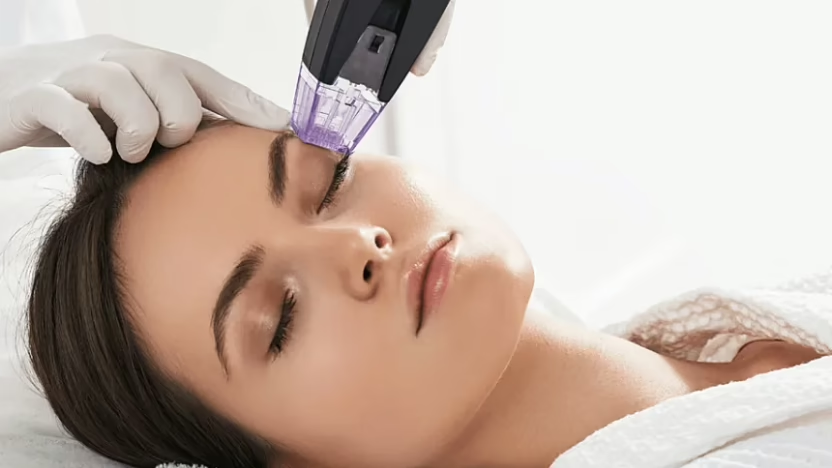
Which facial areas does it treat?
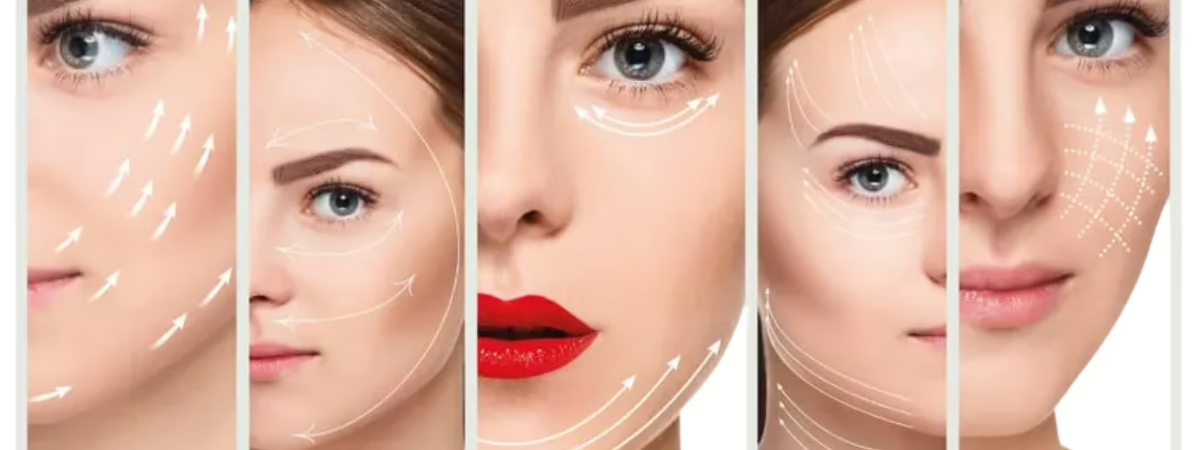
Facial radiofrequency can be applied to the entire face:
- Forehead: horizontal expression lines and forehead drooping
- Eye contour: crow’s feet, eyelids, and under-eye bags
- Cheeks and cheekbones: volume loss and firmness
- Jawline: oval definition and contour loss
- Double chin: mild to moderate submandibular laxity
- Neck: cervical laxity and neck wrinkles
How many facial radiofrequency sessions will I need?
Unlike HIFU facial (which typically requires just one session), facial radiofrequency works cumulatively. Standard protocol: 6-8 weekly sessions for initial results, then maintenance sessions every 3-4 months.
You’ll notice an improvement in firmness from the very first session, but the most visible results develop after 3-4 weeks of continued treatment.
HIFU Facial vs Facial Radiofrequency: Differences, Benefits and How to Choose
Can't decide between HIFU facial and facial radiofrequency? Dr. Tatiana Leal explains the key differences, who each treatment is best for, and how to combine them for maximum results — all at Bogotá prices.
Read moreFacial radiofrequency vs HIFU facial: which should I choose?
It depends on the degree of laxity and goals:
- Facial radiofrequency: ideal for mild to moderate laxity, texture improvement, and preventive treatment. Requires multiple sessions.
- HIFU facial (Dermazoom): indicated for moderate to advanced laxity, deep lifting effect targeting the SMAS. Generally one session.
Many patients combine both for maximum results. For a deeper comparison of when to choose each treatment, see our complete guide: Facial HIFU vs facial radiofrequency: which is better for you?
Cost savings: facial radiofrequency in Bogotá vs the US
International patients consistently report savings of 60-70% compared to US prices for facial radiofrequency treatments in Bogotá, with the same quality German technology.
Does facial radiofrequency have side effects?
Facial radiofrequency with German technology is a very safe treatment. The only possible effects are slight redness that disappears within minutes and a pleasant warming sensation during treatment. There is no downtime.
Conclusion
Facial radiofrequency is an excellent option for those seeking to improve facial skin firmness and quality progressively, without pain and without downtime.
Is facial radiofrequency right for you? Schedule a consultation with Dr. Tatiana Leal in Bogotá for a personalized protocol.

Thread lifts vs other facial treatments: Which to choose?
There are many treatments to rejuvenate without surgery. Thread lifts, HIFU, radiofrequency, or fillers? I explain the differences so you can choose correctly.
Read more